

 GPS Dog Collars
 sleeping bag for camping
 compound bow sales near me
 Sitka Hunting Clothes


| Medication | Common Uses | Effects | Notes |
|---|---|---|---|
| Diazepam | Anxiety disorders (short-term), muscle spasms, alcohol withdrawal, seizure emergencies | Strong calming (anxiolytic), muscle relaxation, sedation | Long half-life → stays in body for days |
| Lorazepam | Acute anxiety or panic attacks, hospital sedation, severe agitation | Fast calming effect, sedation, anti-anxiety | Often used in emergency medicine in Germany |
| Alprazolam | Panic disorder, severe anxiety (short-term use only) | Rapid anti-anxiety action, strong calming effect | Higher dependence risk → tightly controlled prescribing |
| Oxazepam | Anxiety disorders, alcohol withdrawal, elderly patients (often preferred) | Mild to moderate sedation, anxiety reduction | Often used due to safer metabolism profile in older adults |
| Temazepam | Short-term severe insomnia | Sleep induction, sedation | Usually only short-term prescriptions |
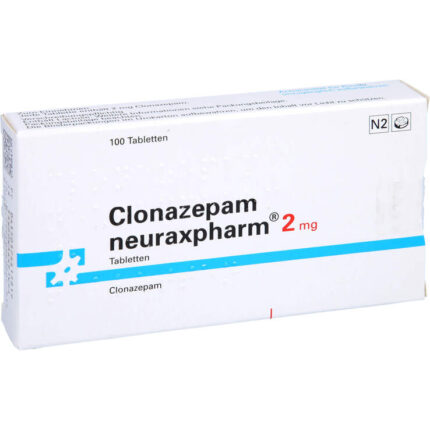
| Clonazepam | Epilepsy / seizure disorders, panic disorder (less common now) | Strong anticonvulsant action, long-lasting sedation | Long duration; used mainly for seizure control |
| Flunitrazepam | Severe insomnia (rare in modern practice) | Very strong sedative effect | Heavily restricted in Germany due to abuse potential |
| Nitrazepam | Severe insomnia, sleep initiation problems | Long-lasting sedation, sleep maintenance | Mainly used when other sleep treatments fail |



What are benzodiazepines used for and when are they prescribed?
Benzodiazepines are prescription medicines used to treat anxiety, panic disorders, severe insomnia, seizures, and muscle spasms. Doctors prescribe them for short-term or carefully monitored use due to dependence risks.
2. How does diazepam work in the brain?
Diazepam enhances the effect of GABA, a calming neurotransmitter in the brain. This slows down overactive nerve signals, producing relaxation, reduced anxiety, and muscle relaxation.
3. What is the difference between lorazepam and alprazolam?
Lorazepam typically has a longer calming effect and is often used for anxiety or hospital sedation. Alprazolam works faster and is commonly used for panic attacks but may have higher dependence risk.
4. How long do benzodiazepines stay in your system?
Duration depends on the drug. Short-acting types may last 6–24 hours, while long-acting ones like diazepam can stay in the body for several days to weeks due to active metabolites.
5. What are the common side effects of benzodiazepines?
Common side effects include drowsiness, dizziness, slowed reaction time, memory issues, and reduced coordination. Higher doses increase the risk of confusion and falls.
6. Are benzodiazepines addictive or habit-forming?
Yes. Benzodiazepines can cause physical and psychological dependence, especially with long-term or high-dose use. This is why they are usually prescribed short-term.
7. What are the withdrawal symptoms of stopping benzodiazepines?
Withdrawal may include anxiety rebound, insomnia, irritability, tremors, sweating, and in severe cases, seizures. Medical supervision is often required.
8. Can you take benzodiazepines with alcohol or antidepressants?
Alcohol should never be combined with benzodiazepines due to dangerous respiratory depression. Some antidepressants may be used together but only under strict medical supervision.
9. What is a safe dosage of diazepam for anxiety?
Safe dosage varies by patient, age, and condition. Only a doctor can determine the correct dose, typically using the lowest effective amount for the shortest time.
10. How quickly does lorazepam start working?
Lorazepam usually begins working within 20 to 60 minutes, making it useful for acute anxiety or panic relief.
11. What are the risks of long-term benzodiazepine use?
Long-term use may lead to dependence, cognitive decline, memory impairment, tolerance, and increased risk of falls, especially in older adults.
12. Are benzodiazepines still prescribed for insomnia today?
Yes, but less frequently. Many guidelines recommend them only for short-term insomnia when other treatments fail due to dependency risks.
13. What are safer alternatives to benzodiazepines for anxiety?
Alternatives include cognitive behavioral therapy (CBT), SSRIs, SNRIs, mindfulness therapy, and lifestyle changes like sleep and stress management.
14. How do doctors taper benzodiazepines safely?
Doctors gradually reduce dosage over weeks or months to prevent withdrawal symptoms. The tapering schedule depends on duration of use and dose level.
15. What should you do in case of benzodiazepine overdose?
A benzodiazepine overdose requires immediate emergency care. Symptoms may include extreme drowsiness, confusion, and slowed breathing, especially if combined with alcohol or opioids.